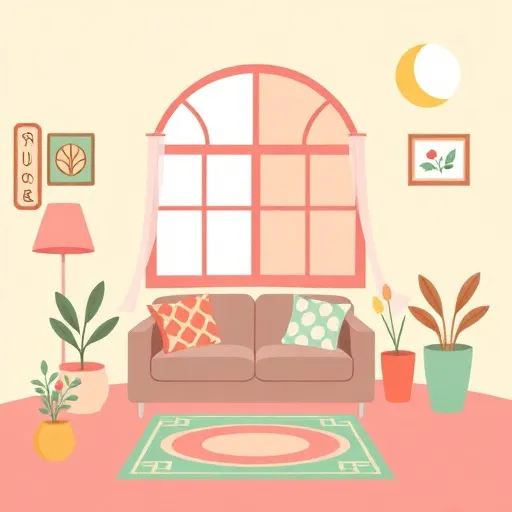
Feng shui color fram
The Basics: How Feng Shui Approaches Color
Before you start picking paint swatches, it really helps to get the big picture on how feng shui actually thinks about color. When people ask what colors are good for feng shui at home, the answer isn't a simple list—it's a framework. Traditional feng shui organizes color through the five elements—wood, fire, earth, metal, and water—and through the balance of yin (calm, cool, restful) and yang (bright, warm, active) energy. Every color family carries its own vibration, and that vibration interacts with what a room is actually for. So when you're figuring out what colors are good for feng shui at home, the real question is: what's this space supposed to do?
The core principle here is harmony, not uniformity. A room that leans entirely on one element can feel stagnant or straight-up overwhelming. The art lies in layering complementary tones so that energy moves smoothly rather than pooling in a corner or racing through the door. As one seasoned practitioner put it during a recent industry conference, "Color is the cheapest renovation you'll ever do—and the most transformative." That sentiment resonates with a lot of people upgrading their homes this year. And honestly? It's the perfect mindset for anyone researching what colors are good for feng shui at home—because you don't need a contractor, just a vision.
Yin, Yang, and the Five Elements: The Framework Behind Feng Shui Color Choices
Think of yin and yang as the volume knob for your space. Yin colors—soft blues, gentle grays, muted greens—dial things down and invite rest and introspection. Yang colors—reds, oranges, bright yellows—turn things up and spark energy, conversation, and movement. A balanced home uses both, just in the right rooms. This is the lens through which every question about what colors are good for feng shui at home should be viewed: it's never about a color being "lucky" in isolation—it's about fit.
Earth Tones: Grounding, Stability, and Nourishment in Living and Dining Spaces
Beige, sand, terracotta, warm taupe, and soft ochre belong to the earth element. These shades promote stability, nourishment, and a sense of being rooted. They're especially valuable in living rooms and dining areas, where you want conversation and connection to feel easy and supported. In 2026, earthy neutrals remain a dominant trend in interior design, which aligns beautifully with feng shui principles—proof that timeless wisdom and contemporary style can coexist. If you're wondering what colors are good for feng shui at home and want a safe, grounding starting point, earth tones are your best friend.
Wood Tones: Growth, Vitality, and Health-Boosting Greens for Offices and Studios
Soft greens—think sage, olive, and muted moss—represent wood energy. Wood governs growth, health, and fresh beginnings, making green an excellent choice for home offices, studios, and family spaces. It's also a natural stress reducer. A body of research on environmental psychology continues to confirm what feng shui has long taught: green tones lower tension and improve focus. If you're building a workspace or a reading corner this year, a gentle green backdrop is one of the smartest moves you can make. And when someone asks what colors are good for feng shui at home for a productivity boost, green is almost always the answer.
Fire Tones: Passion, Warmth, and Social Energy as Accent Colors
Reds, oranges, and vibrant pinks bring fire energy—stimulating, social, and warm. Use them sparingly. A red accent wall in a dining room or a few coral cushions in a social area can ignite conversation and warmth. But an entire bedroom painted in fire tones may leave you feeling restless rather than rested. The rule of thumb: fire colors work best as punctuation marks, not full paragraphs. This is a key nuance in what colors are good for feng shui at home—dose matters just as much as hue.
Metal Tones: Clarity, Precision, and Fresh Starts With White and Silver
White, silver, gray, and metallic finishes correspond to metal energy, which supports clarity, efficiency, and letting go. White walls remain a popular choice for good reason—they create a clean canvas that allows other elements to breathe. In feng shui terms, white also represents a fresh start, which makes it a favorite for entryways and bathrooms where energy should flow rather than linger. If you're mapping out what colors are good for feng shui at home, don't sleep on white—it's the ultimate supporting player.
Water Tones: Calm, Depth, and Introspection With Blues and Charcoal
Blues and deep charcoal-blacks represent water energy. Blue is the great soother—ideal for bedrooms, meditation corners, and anywhere you want to invite introspection and rest. Darker blues and near-blacks can add depth and sophistication, but use them thoughtfully in smaller rooms so the space doesn't feel heavy. Pairing deep blue with plenty of natural light or warm wood accents keeps the balance in check. For anyone asking what colors are good for feng shui at home in a restful zone, blue is a no-brainer.
Room-by-Room Color Recommendations for a Balanced Home
Living Room: Social Heart With Earthy Neutrals and Soft Accents
The living room is the social heart of the home, so aim for a balanced mix: earthy neutrals on the walls, a soft green or blue accent, and a touch of warm color through textiles. This combination supports both lively conversation and relaxed downtime—a true yin-yang blend. When clients ask what colors are good for feng shui at home in shared spaces, this layered approach is the go-to.
Bedroom: Rest-First Yin Colors for Calm and Introspection
Rest is the priority here. Favor yin colors: soft blues, gentle grays, muted greens, warm creams, and blush tones. Avoid aggressive reds and bright oranges. If you love bold color, express it through bedding and artwork rather than wall paint. It's one of the clearest answers to what colors are good for feng shui at home—and one of the most important.
Kitchen: Earth and Metal Tones With a Hint of Fire Energy
Kitchens benefit from a mix of earth and metal tones—warm woods, soft whites, and subtle creams—with a small hit of fire energy (a terracotta backsplash, for instance) to symbolize the hearth. This keeps the space both welcoming and functional. If you're remodeling and pondering what colors are good for feng shui at home, this combo is a solid blueprint.
Home Office: Green and Blue Allies for Focus and Efficiency
Green and blue are your allies here. Green supports sustained focus and growth, while blue encourages clear thinking. Add a metallic accent or two—a silver desk lamp, a gray chair—for precision and efficiency. This is one of the most actionable answers to what colors are good for feng shui at home for anyone working remotely in 2026.
Entryway: Bright, Welcoming Colors for Positive Energy Flow
First impressions matter in feng shui. Bright, welcoming colors—warm white, soft yellow, or a light wood tone—invite positive energy inside. Keep the palette light and uncluttered so qi enters smoothly. When people ask what colors are good for feng shui at home at the front door, this is the short version.
Popular 2026 Palettes That Align With Feng Shui Color Principles
- Earthy Sage and Cream: A calming, modern pairing that balances wood and earth energy—perfect for living areas and home offices.
- Soft Clay and Warm White: Grounding yet fresh, ideal for kitchens and dining spaces.
- Deep Ocean Blue With Natural Wood: Water and wood in harmony, excellent for bedrooms and reading nooks.
- Muted Terracotta and Sand: Earth-heavy and cozy, great for creating a sense of security in transitional spaces.
Notice a theme? The most successful palettes layer two or three elements rather than leaning on just one. Balance is always the headline—and that's the through-line for what colors are good for feng shui at home in any year.
Colors to Use With Caution: Context Matters Over Rules
No color is inherently "bad" in feng shui—context matters. Still, a few guidelines are worth keeping in mind:
- Bright Red: Powerful but intense. Best as an accent, not a dominant wall color.
- Pure Black: Sophisticated but absorbing. Use in small doses or balance with light neutrals and natural textures.
- Neon Shades: Energizing but can feel chaotic. If you love them, keep them to a single statement piece.
- All-White Everything: Clean and clarifying, but can feel sterile if you don't warm it up with wood, textiles, or earth tones.
As a respected voice in the wellness design community recently noted, "The question isn't whether a color is lucky—it's whether it supports the life you're living in that room." That's the mindset to carry with you whenever you're weighing what colors are good for feng shui at home.
Practical Tips for Applying Feng Shui Color: Direction, Light, and Seasonal Refresh
Consider Compass Direction and Natural Light Impact
In traditional practice, each compass direction is associated with an element and color palette. South-facing rooms, for example, carry fire energy and benefit from cooler tones to balance intensity, while north-facing rooms often welcome warmer colors to offset dim light. You don't need a compass to benefit—simply observe how natural light behaves in each room and choose colors that complement it. This single tip can transform how you approach what colors are good for feng shui at home.
Layer Accents First, Don't Let One Element Dominate
Introduce color through textiles, artwork, ceramics, and plants before committing to wall paint. This lets you test how a shade feels over a few weeks and adjust as needed. It's the low-risk way to explore what colors are good for feng shui at home without a costly do-over.
Use Texture as a Bridge Between Color and Material
Color and texture work together. A muted green wall in a flat finish feels serene; the same green on a textured linen fabric feels organic and alive. Texture adds dimension that pure color alone cannot—and it keeps the five elements feeling layered rather than flat.
Refresh Seasonally to Keep Energy Flowing
One of the simplest ways to keep energy flowing is to rotate accents—lighter textiles in warmer months, richer tones in cooler ones. This mirrors the natural cycles that feng shui honors and keeps your space feeling dynamic. It's also a fun, low-cost way to keep experimenting with what colors are good for feng shui at home all year round.
Common Questions About Feng Shui Colors: White, Bedrooms, Black, and Mood
Is White a Good Feng Shui Color for Clarity and Fresh Starts?
Yes—white represents metal energy and supports clarity and fresh starts. Just avoid making it the only color in a room; layer in wood tones or warm neutrals to keep it from feeling clinical.
What's the Best Color for a Bedroom and Restful Sleep?
Soft, yin tones like muted blue, gentle green, warm gray, or blush. These promote rest and calm, which is exactly what a bedroom should do.
Can I Use Black in Feng Shui for Depth and Water Energy?
Absolutely, in moderation. Black carries water energy and adds depth. Balance it with lighter tones and natural materials so it doesn't dominate.
Does Feng Shui Color Really Matter for Mood and Behavior?
Whether you view it through an energetic lens or a psychological one, the answer is yes. Color affects mood, behavior, and how a space functions—and that's something almost everyone can agree on when discussing what colors are good for feng shui at home.
Bringing It All Together: What Colors Are Good for Feng Shui at Home in 2026
So, what colors are good for feng shui at home? The honest answer is that the best palette is the one that supports how you actually live. Earth tones ground you, greens help you grow, blues calm you, whites clear your mind, and warm accents energize you when you need a lift. In 2026, the most beautiful homes will be the ones that treat color as a living language—one that shifts with the seasons, the light, and the people who inhabit the space. Start with intention, layer thoughtfully, and let your home's palette evolve alongside your life. That's feng shui in its most practical, modern form—and it's something you can begin this weekend with a single can of paint. If you keep asking what colors are good for feng shui at home as your needs change, you'll never run out of good answers.