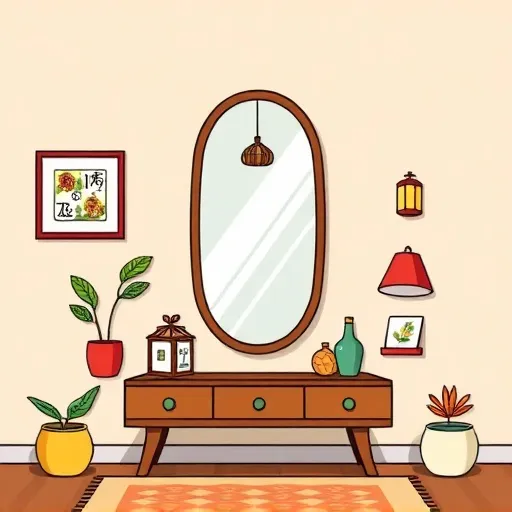
Versatile feng shui
Why Mirrors Matter So Much in Feng Shui
In feng shui, a mirror isn't just a pretty thing to hang on your wall. Think of it as the Swiss Army knife of interior design — a versatile cure-all tool that redirects qi (energy), opens up tight spaces, and amplifies whatever it happens to reflect. And that's exactly where things get interesting. A mirror reflects everything — including the clutter, the sharp corners, and those stagnant, forgotten corners of your home. So before you grab a hammer and nail, it really pays to wrap your head around the core principle: a feng shui mirror should reflect what you want more of — and never what you want less of. Understanding how to place a feng shui mirror correctly starts with that single idea.
Modern feng shui consultants — including several seasoned practitioners in the wellness and interior design world — keep stressing intention over rigid, old-school rules. As one veteran put it, "The mirror is neutral. You're the one assigning meaning to what it shows." That said, there are well-established guidelines worth following, especially if you're new to the practice. Knowing how to place a feng shui mirror correctly can save you from some pretty classic mistakes.
The Golden Rules of Feng Shui Mirror Placement and Qi Flow Fundamentals
Let's kick things off with the fundamentals — the non-negotiables that apply to basically every room in your home. Whether you're rearranging a studio apartment or a sprawling house, these feng shui principles hold steady. Learning how to place a feng shui mirror correctly means respecting these basics first.
1. Never Place a Mirror Directly Facing the Front Door and Entryway Energy
This is the textbook feng shui mistake. Your front door is where energy enters the home — often called the "mouth of qi." A mirror placed directly opposite the door reflects that incoming energy right back out. The result? Opportunities, abundance, and good fortune bounce away before they can even settle in. If you've got a mirror in your entryway (which is otherwise a fantastic idea), position it on a side wall so it reflects the hallway or a beautiful view rather than the door itself. This is one of the most important things to remember when figuring out how to place a feng shui mirror correctly.
2. Avoid Mirrors Facing Each Other and Endless Reflection Loops
Two mirrors facing each other create an endless reflection loop that feels disorienting and restless. In feng shui terms, this creates an infinite corridor of energy that never settles. It's especially problematic in bedrooms and narrow hallways. If you love that layered look, angle the mirrors so they reflect different parts of the room instead of creating a direct line of sight. A small tweak like this makes a big difference when you're learning how to place a feng shui mirror correctly.
3. Don't Reflect Clutter or Sharp Corners and Poison Arrows
A mirror doubles whatever it sees. If it's reflecting a pile of laundry, a messy desk, or the sharp corner of a bookshelf (known as a "poison arrow" or sha qi), you're amplifying stress and tension. Before hanging a mirror, stand where it'll go and look at what it will reflect. If the view isn't something you'd want twice, reposition it. This is a key part of how to place a feng shui mirror correctly — always preview the reflection first.
4. Skip Mirrors Above the Bed and Bedroom Sleep Harmony
In bedroom feng shui, mirrors are generally discouraged — especially above or directly facing the bed. The reasoning is both practical and energetic: a mirror above the bed can feel unsettling (plenty of people report poor sleep or a sense of being watched), and a mirror facing the bed is said to invite a "third party" into the relationship. If you need a mirror in the bedroom, use a closet door mirror or place it so it doesn't reflect the sleeping area. Sleep quality matters, and this rule is central to how to place a feng shui mirror correctly in bedrooms.
5. Use Mirrors to Expand Small Spaces, Not to Confuse Visual Balance
One of the best uses of a feng shui mirror is to visually expand a small space or a dark room. A well-placed mirror in a narrow hallway or a dim dining room can make the area feel twice as large and twice as bright. Just make sure the reflection is pleasant and clear — not fractured or distorted by an ornate frame or a bad angle. This trick is a favorite among interior designers and anyone mastering how to place a feng shui mirror correctly.
Room-by-Room Feng Shui Mirror Placement and Interior Design Strategies
Now let's get specific. Here's how to place mirrors correctly in each key area of your home, room by room.
Entryway Placement and Front Door Energy Flow
The entryway is the transition zone where outside energy becomes inside energy. A mirror here is excellent for checking your appearance before you head out, but placement matters. Put it on a side wall, ideally reflecting a plant, a piece of art, or a well-lit hallway. Avoid facing the front door directly. A round mirror or octagonal mirror works well here, since round shapes soften energy and promote smooth flow. Getting the entryway right is step one in how to place a feng shui mirror correctly.
Living Room Strategies and Natural Light Enhancement
In the living room, mirrors can be used strategically to reflect a beautiful view, artwork, or a healthy plant; brighten a dark corner by catching natural light; expand a narrow or awkwardly shaped space; or reflect the dining table to symbolically "double" abundance. Avoid placing mirrors where they reflect sharp-cornered furniture, exposed beams, or a television screen (which can create restless energy). Also be mindful of large wall mirrors that reflect a chaotic room — tidy up first, since the mirror will literally double the mess. Keep this in mind as you think through how to place a feng shui mirror correctly in your main living area.
Dining Room Abundance and Table Reflection Techniques
This is one of the best rooms for a mirror. Placing a mirror so it reflects the dining table is a classic feng shui technique for multiplying abundance and food. Just make sure the reflection is clean and calm — no clutter on the table, no sharp objects in view. A buffet mirror or a large framed mirror on the wall opposite the table works beautifully. This is one of the easiest wins when learning how to place a feng shui mirror correctly.
Kitchen Fire Energy and Stove Placement Warnings
Mirrors in the kitchen are less common but can work if placed thoughtfully. Avoid reflecting the stove directly (fire energy doubled can be overwhelming) and skip mirrors that reflect a messy counter. A small mirror reflecting a bowl of fruit or a healthy plant is a nice touch. Even in tricky rooms like the kitchen, how to place a feng shui mirror correctly comes down to intention and awareness.
Bathroom Mirrors and Cleanliness Energy Drain
Bathroom mirrors are practical and generally fine, but there's one rule: keep them clean and well-lit. A cloudy or dim bathroom mirror is said to reflect a cloudy self-image. Also, avoid placing a mirror directly opposite the toilet (yes, really — it's considered poor form because it reflects waste and drains energy). If your bathroom layout forces this, consider a mirrored cabinet that opens and closes rather than a fixed wall mirror. Small details like this are exactly what how to place a feng shui mirror correctly is all about.
Home Office Focus and Workspace Productivity Tips
In a workspace, a mirror can either help or hurt. Placing one so it reflects your computer screen is generally discouraged — it creates visual clutter and can make focus harder. Instead, position a mirror to reflect a window, a plant, or an inspiring piece of art. Avoid mirrors that reflect an empty chair behind you, which some practitioners say can invite feelings of isolation. Nailing how to place a feng shui mirror correctly in your home office can genuinely boost your productivity.
Which Shape and Type of Mirror Should You Choose for Harmony and Balance?
Shape matters in feng shui. Here's a quick cheat sheet: round mirrors promote harmony, smooth energy flow, and unity — great for entryways and living rooms. Square mirrors are grounding and stable — good for offices and studies. Rectangular mirrors are classic and versatile, working well in hallways and dining rooms. Octagonal mirrors (bagua mirrors) are traditionally used as protective cures, often placed outside above the door — use with care and intention. Oval mirrors are soft and welcoming, lovely in bedrooms and bathrooms.
As for materials, framed mirrors with wood or metal frames integrate well with most decor styles. Avoid overly ornate or broken mirrors — cracks and chips are considered bad luck because they distort the reflection. If a mirror breaks, replace it rather than trying to repair it. Choosing the right shape is a big part of how to place a feng shui mirror correctly.
Common Feng Shui Mirror Mistakes to Avoid and Negative Energy Pitfalls
Even well-intentioned placements can go wrong. Watch out for these: a mirror facing the bed disrupts sleep and relationship harmony; a mirror reflecting the front door pushes abundance away; mirrors facing each other create restless, looping energy; a mirror reflecting clutter or sharp corners amplifies stress; broken or cracked mirrors create distorted reflections considered unlucky; too many mirrors in one room can make a space feel chaotic; and a mirror reflecting a dark, unused space reflects stagnation rather than vitality. Avoiding these pitfalls is half the battle of how to place a feng shui mirror correctly.
Practical Tips for Hanging Your Mirror and Safety Anchor Installation
Once you've chosen the right spot, here are a few practical pointers: hang mirrors at eye level so the reflection feels natural and balanced; test the reflection before committing by holding the mirror up and checking what it'll reflect from different angles; use proper anchors since mirrors are heavy and a falling mirror is both a safety hazard and a feng shui no-no; keep it clean because a dusty mirror reflects a dulled version of your space; and pair it with good lighting, since a mirror only works as a brightener if there's light to reflect. These hands-on tips make how to place a feng shui mirror correctly feel totally doable.
Quick FAQ on Bedroom Mirrors, Hallway Placement, and Decorative Mirror Walls
Can I put a mirror in the bedroom at all? Yes, but keep it away from the bed. A closet door mirror or a mirror on a side wall that doesn't reflect the sleeping area is fine.
Is it okay to have a mirror in the hallway? Absolutely — hallways are one of the best places for mirrors because they visually expand narrow spaces. Just avoid facing the front door directly.
What about decorative mirror walls? Use them sparingly. A single statement mirror is usually more effective than a wall of mirrors, which can feel chaotic and over-stimulating.
Do mirrors need to be framed? Not necessarily, but a frame helps contain the energy and makes the mirror feel more intentional. Frameless mirrors can work in modern spaces if the reflection is clean and pleasant.
At the end of the day, how to place a feng shui mirror correctly isn't about memorizing a hundred rules — it's about intention and awareness. Ask yourself: What do I want to see more of in this space? Then position the mirror to reflect exactly that. Whether it's a plant by the window, a beautifully set dining table, or a bright and open hallway, the mirror will do the rest. Keep it clean, keep it safe, and let it work its quiet magic. With these guidelines in hand, you're well on your way to using mirrors as a genuine tool for harmony, abundance, and balance in your home — no guesswork required. And once you've practiced how to place a feng shui mirror correctly a few times, it'll become second nature.